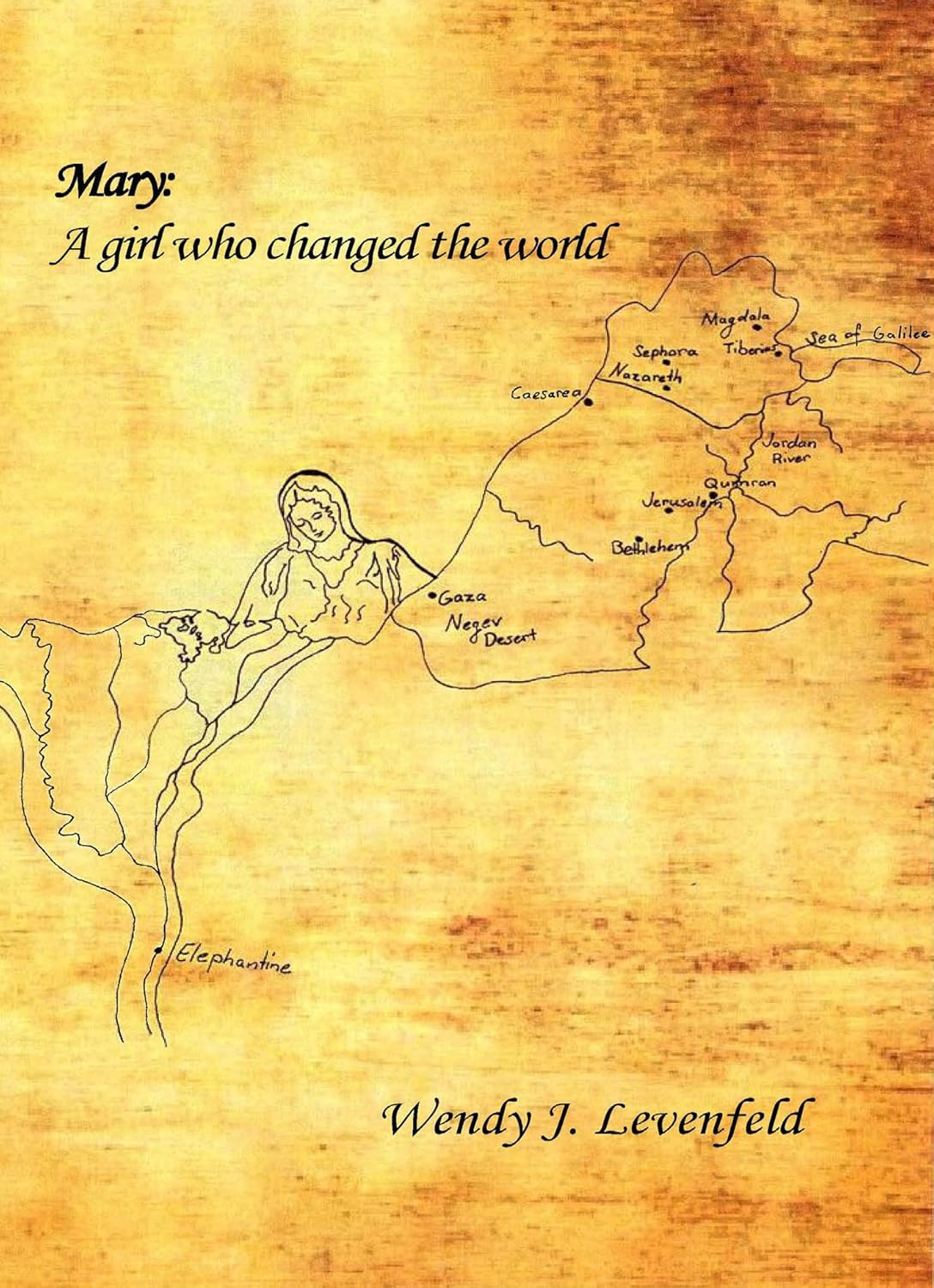
Trusting God when the path is unclear is not a single decision, it is a daily choice, one made quietly and often without reassurance. In Mary, A Girl Who Changed the World, Wendy J. Levenfeld explores this kind of faith with rare tenderness, presenting belief not as certainty, but as a willingness to move forward without guarantees.
Mary does not begin her journey with clarity. She is not handed a detailed vision of what her life will require or how events will unfold. Instead, she senses that her life carries meaning beyond her understanding. This awareness brings both purpose and unease. Wendy J. Levenfeld captures this emotional balance beautifully, allowing readers to feel Mary’s inner hesitation alongside her steady resolve.
Faith in this story is not dramatic or loud. It grows quietly, shaped by reflection, prayer, and the influence of women who came before Mary. Her grandmother and mother do not offer her answers to every question. What they offer instead is example. They show her how to live with trust, how to continue when understanding falls short. This foundation prepares Mary to face uncertainty not with fear, but with patience.
In Mary, A Girl Who Changed the World, trusting God does not mean ignoring doubt. Mary experiences moments of confusion and emotional weight. She wonders what her future holds and whether she is capable of meeting its demands. These questions are not portrayed as weakness. They are part of her humanity. Wendy J. Levenfeld allows Mary to be fully human, thoughtful, unsure, and still faithful.
What stands out is how often Mary chooses trust without reward or confirmation. She does not receive constant reassurance. Instead, she learns to listen inwardly, to notice moments of peace that come not from answers, but from surrender. This form of trust is subtle, yet powerful. It requires courage to continue walking when the destination remains unseen.
The book gently reminds readers that faith is rarely about knowing where one is going. It is about believing that one is not walking alone. Mary’s trust unfolds in small moments, in obedience, in stillness, in acceptance. Each step forward is taken without certainty of what lies ahead, yet she takes it anyway.
Wendy J. Levenfeld uses Mary’s journey to reflect a truth many readers recognize. Life often asks us to commit before we understand. We are asked to trust relationships, callings, and changes that come without explanation. In Mary, A Girl Who Changed the World, faith becomes the strength that allows movement despite fear, not the absence of fear itself.
Mary’s trust is not blind. It is informed by love, by values, and by a deep sense of connection to God. She does not abandon her questions, she carries them with her. This balance between trust and uncertainty makes her story deeply relatable. It speaks to anyone who has ever stood at the edge of change and moved forward without knowing the outcome.
By portraying faith as a daily choice, Wendy J. Levenfeld reframes what it means to believe. Trusting God becomes less about certainty and more about consistency. It is the quiet decision to show up again and again, even when the way forward feels unclear. In the end, Mary, A Girl Who Changed the World reminds us that faith is often formed in the waiting, in the unanswered questions, and in the courage to take the next step. Mary’s journey shows that trusting God does not require a clear path, only a willing heart and the strength to continue, one uncertain step at a time.